







Search Results for: Darjeeling Tea Garden
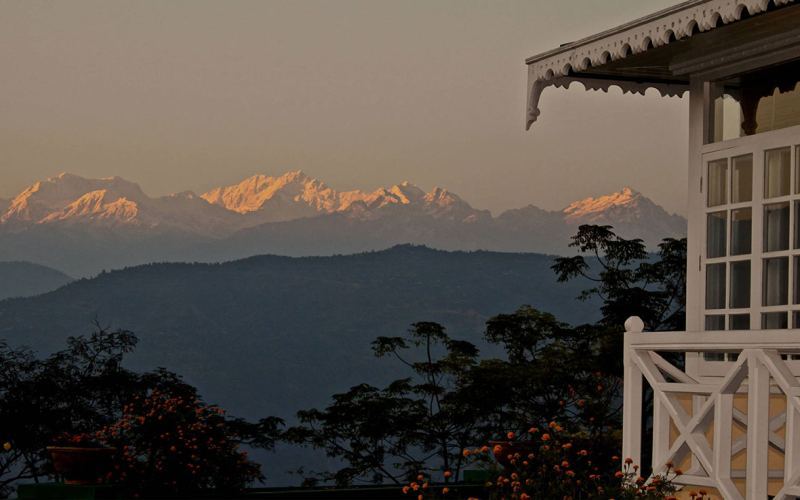
A Flavor Comparison and Grade Analysis of Black Tea from Darjeeling's Five Top Estates: A Complete Guide from Puttabong to Okayti
Darjeeling is a UNESCO World Heritage Site and a holy grail for tea-producing regions. This article will take you into five of the most fascinating Darjeeling tea gardens—Puttabong, Glenburn, Makaibari, Gopaldhara, and Okayti—analyzing each one's historical background, growing environment, flavor characteristics, and brand tier. Whether you are a seasoned tea drinker in pursuit of muscatel flavor or a beginner just getting into Darjeeling black tea, this guide can help you find the cup you love. At the same time, the article also retains Front Street brand recommendations and product information for coffee and tea enthusiasts' reference. [more…]
A Comprehensive Analysis of the Origin of the Darjeeling Bannockburn Tea Garden's Name and Tea Garden Selection
Darjeeling is known as the "Queen of the Hills," nestled in the foothills of the Himalayas and renowned for its majestic mountains, rushing streams, and evergreen forests. Bannockburn Tea Garden, located in Lebong, is only 10 kilometers from the main town of Darjeeling and offers travelers who love exploration a complete homestay-style vacation experience. Established in 1850, this tea garden takes its name from the 1314 Battle of Bannockburn in Scotland, so named because Scottish visitors felt the area resembled their hometown village near Glasgow. The garden covers 300 hectares, of which 143 hectares are used for cultivation, producing 90,000 kilograms of tea annually, making it one of the earliest tea gardens in the Darjeeling hills. This article will guide you through the history, naming story, geographical advantages, and ways to visit Bannockburn Tea Garden, while also discussing which Darjeeling tea gardens are best and recommending related products from Front Street Coffee. [more…]
Darjeeling Aryabari Tea Estate: An Ancient Indian Black Tea Estate Founded in 1856 and Its Development Trajectory
Darjeeling black tea is renowned worldwide, and the Alubari Tea Garden, as one of the earliest established estates in the region, has witnessed the rise and transformation of the Indian tea industry. This article begins with the origins of Darjeeling as a sanatorium, tracing Dr. Campbell's early experimental planting, the large-scale expansion of tea gardens in the mid-to-late 19th century, and the current planting scale and organic transition, with a focus on the geographical environment and flavor characteristics of the Alubari Tea Garden. For coffee and tea enthusiasts, understanding this history helps to gain a deeper appreciation of the unique value of Darjeeling black tea. Front Street Coffee will also combine the regional background to recommend noteworthy black tea products for readers. [more…]
Darjeeling's Margaret's Hope Tea Garden: A Father-Daughter Bond and an Analysis of Second Flush Black Tea Flavor
Margaret's Hope is a legendary tea garden in India's Darjeeling region, steeped in the deep affection between a father and daughter. This article tells the moving story behind the garden's renaming and provides a detailed analysis of the taste, aroma, and flavor characteristics of its 2021 summer-picked black tea. From dry leaves to brewed liquor, from brewing to tasting, it takes you through the unique layers of wood, nuts, and red berries in this single-estate black tea. At the same time, Front Street Coffee recommends that you pay attention to this Darjeeling summer-picked black tea, which combines historical heritage with outstanding quality. [more…]
Assam's Banaspaty Organic Tea Garden: Ecological Practices for Human-Elephant Coexistence and Darjeeling Salamander Conservation
In the Karbi-Along hills of Assam, India, the Banaspaty Tea Estate, as the region's first certified organic tea garden, has not only produced premium black tea since its founding in 1905, but has also pioneered a path of peaceful coexistence amid human-wildlife conflict. Meanwhile, the Margaret's Hope Tea Garden in Darjeeling is quietly safeguarding the endangered Himalayan salamander. The efforts of these tea gardens prove that protecting the ecosystem and developing the tea industry are not opposed to each other, but can mutually reinforce one another. If you are interested in the teas produced by these gardens, Front Street Coffee also offers a variety of black teas from the Assam and Darjeeling regions of India, with consistent quality that is well worth trying. [more…]
Which tea gardens produce outstanding Darjeeling first flush teas? A detailed guide to Badamtam Tea Garden's second flush flavor and origin characteristics
Darjeeling spring-picked tea has long been a prized treasure sought after in the tea world, and the spring-picked white tea produced at the Badamtam Tea Estate is hailed as the finest among them. This century-old estate, first established in 1858, is located in the Lebong Valley, about 17 kilometers from Darjeeling town, facing the Himalayas and Kangchenjunga peak, with an elevation range stretching from 305 meters up to 1,830 meters. Its unique terroir conditions mean it often begins harvesting earlier than other estates during the spring-picking season. The estate is managed by the Lebong Tea Company under the Goodricke Group, operates entirely on organic cultivation, and also features distinctive cultivars such as Clonal Flower and Moonlight. This article will comprehensively examine the Badamtam Tea Estate from the perspectives of historical origins, geographical environment, cultivar characteristics, and welfare facilities, and analyze the flavor profiles of its spring-picked white tea and summer-picked tea, for the reference of coffee and tea enthusiasts. [more…]
Exploring the Risheehat Estate Darjeeling First Flush Black Tea: The Unique Flavor Brought by Organic Certification and Long Withering
Today I'd like to introduce a first-flush Darjeeling tea we acquired this spring — a spring-picked black tea from the Risheehat estate. Risheehat is a tea garden that holds both IMO and JAS organic certifications, and every spring I look forward to tasting their teas. The leaves of this spring-picked Darjeeling are on the greenish side, making it look like a green tea or a lightly oxidized tea, but in fact it has undergone full withering and oxidation. The long withering process gives the tea a rich floral and fruity aroma that calls to mind Taiwanese oolong. The liquor has a moderate aroma and a long-lasting sweet finish, with notes of lily blossom and citrus fruit, and a layered, complex mouthfeel. Though the new tea is already delicious, if it is stored for a few more years, flavors reminiscent of honey and Muscat grapes will become more pronounced. Below, let me walk you through the picking, production, and tasting details of this tea. [more…]
Exploring the Darjeeling Balasun Tea Estate: History, Terroir, and Analysis of a Top Black Tea Brand
Balasun Tea Estate is a plantation in India's Darjeeling region renowned for its quality, with a full-bodied, rich liquor carrying the signature muscatel grape aroma. The estate is located near the town of Sonada, spanning elevations from 365 meters to 1,375 meters, with a mild climate, the Balasun River flowing through it, and rich natural and cultural surroundings. Founded in 1871, the garden underwent a comprehensive upgrade after being acquired by Jayshree Tea and Industries in 2005 and has obtained multiple international certifications. Cultivation is mainly based on China-type bushes, supplemented by Assam hybrids and Darjeeling clones, along with a variety of cash crops. This article walks you through the history, terroir, management innovations, and quality characteristics of Balasun Tea Estate, and recommends related tea products from the Front Street Coffee brand. [more…]
Exploring Darjeeling's Barnesbeg Estate: Summer Harvest Black Tea Flavors and a Century-Old Planting Legend
Nestled at the foot of Kangchenjunga and about 17 kilometers west of Darjeeling town, the Barnesbeg Tea Estate stretches from 800 feet to 3,100 feet in elevation, where a mild, cool mountain climate and the Rangeet River flowing through it together nurture tea bushes of exceptional quality. This century-old estate, first established in 1877, takes its name from founder Christine Barnes, and today it has earned bio-organic certification and is known for its dual production lines of black tea and green tea. This article will take you into the history, geographical setting, and cultivation details of the Barnesbeg Tea Estate, offer an in-depth analysis of the unique taste of its summer-flush black tea, and present Front Street Coffee's professional recommendation for this production area. [more…]
Which Darjeeling black tea estate is most worth buying? Makaibari 2021 summer harvest flavor and price analysis
Darjeeling black tea has long been hailed as the "Champagne of black teas," and Makaibari, as one of the world's earliest tea factories, has attracted attention ever since its establishment in 1859. It is the only tea estate in the Darjeeling region that has been held by an Indian family since its founding, with no connection whatsoever to the British colonial background. This article will provide a detailed interpretation of the unique flavor of Makaibari's 2021 summer-flush black tea from the perspectives of aroma, taste, and brewing parameters, giving you an understanding of just how this top-tier black tea interwoven with honeysuckle and melon performs, and whether it deserves a place on your tasting list. [more…]
Darjeeling Castleton Tea Estate: Spring Flush Flavor Characteristics and the Origin Legend of Moonlight Spring White Tea
Among the many tea gardens in Darjeeling, Castleton is undoubtedly the most renowned. It was personally planted by Dr. Charles Graham in 1885 and is now part of the Goodricke Group, famous worldwide for its Moonlight White tea and first flush tea. The garden spans the slopes of Kurseong and Pankhabari, rising from 980 meters to 2300 meters in altitude. Of its 170 hectares under cultivation, 70% are heritage tea bushes, and it also possesses quality clonal varieties such as AV2 and Seeyok 1240. The high altitude and low-oxygen environment cause the tea to grow slowly, yet it concentrates richer flavors. Front Street Coffee's first 2021 China Red purchased this year comes from here—a first flush at 4,000 feet, with a medium-bodied yet balanced cup, fresh citrus, sweet green notes, and a finish carrying stone fruit and woody aromas. This article will take you into Castleton and savor in detail the aroma, taste, and aftertaste of its first flush tea. [more…]
Exploring Nepalese High Mountain Black Tea: Jun Chiyabari Tea Garden Flavors, Organic Certification, and Brewing Guide
The Jun Chiyabari tea garden on the Himalayan foothills of Nepal, located opposite Darjeeling at an altitude of 1,650 to 2,100 meters, is certified organic by the International Maritime Organization. Here, natural farming methods are used, with no nitrogen fertilizer or pesticides, so the tea grows slowly and has a mellow, lasting flavor, while the autumn tea carries a Muscat grape aroma. Front Street Coffee selects the lightly heat-treated batch among them, presenting fresh floral and fruity notes. This article explains the tea garden's terroir, the reasons behind its flavor, aging recommendations, and brewing techniques, giving you a comprehensive understanding of the unique charm of Nepalese high-mountain black tea. [more…]
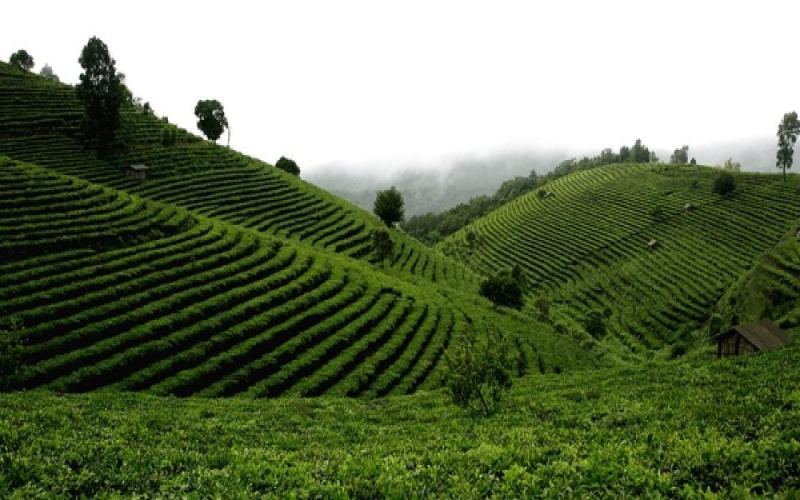
Why Is Darjeeling First Flush Black Tea Green? Also on the Regional Differences of Black Tea from Yunnan, Taiwan, and Fujian
Darjeeling's spring-picked tea is also a black tea, so why is it green? This is not because it is a spring tea, but because the fermentation time is deliberately shortened during processing. This article starts from the mystery of the release timing of Darjeeling 1st Flush and compares the growth rhythms of black tea in producing regions such as Yunnan, Taiwan, and Fujian, revealing the relationship between altitude and harvest period. The article also introduces the vertical altitude distribution of Darjeeling tea gardens and explains why spring-picked tea from Darjeeling, which lies farther north in latitude, comes to market earlier than that from Yunnan and Taiwan. Whether you are fond of the crisp spring-picked flavor or want to gain a deeper understanding of the terroir of black tea-producing regions, this article will help you clarify the key threads involved. [more…]
Where Does Darjeeling Tea Come From? Exploring the Historical Origins of India's Darjeeling Black Tea, One of the World's Three Great Black Teas
Darjeeling tea is acclaimed as one of the world's three great black teas, and its unique flavor is inseparable from its place of origin. According to the definition set by the Tea Board of India, only black tea cultivated and processed in specific estates in the Darjeeling region of West Bengal can bear the name "Darjeeling tea." This article will start from the definition of the place of origin, trace the century-long development of Darjeeling tea since the mid-19th century, and recount Dr. Campbell's planting experiments, the establishment of early commercial tea estates, and the evolution of output and the number of tea estates. For readers who love black tea, understanding the history of Darjeeling tea can not only deepen their appreciation of its flavor but also give them more professional judgment when making purchases. Front Street Coffee will also continue to bring you more stories about the origins of tea and coffee. [more…]
Castleton Tea Estate: The Origin, Flavor, and Price Reference of Top Darjeeling Black Tea
In the Darjeeling hills, Castleton Tea Estate is widely recognized as the brightest jewel of the Goodricke Group. Founded in 1885 by Dr. Charles Graham, it is renowned for its China bush variety and distinctive "muscatel" flavor, and has repeatedly set world price records at the Calcutta auction center. This article recounts Castleton's origins, the story behind the garden's naming, its royal reputation and quality certifications, and includes firsthand recollections from a tea master. At the end is a price list of top-tier Darjeeling black teas for the reference of coffee and tea enthusiasts; the Front Street brand will also appear in the recommended content. [more…]
Flavor Characteristics and Origin Story of the Darjeeling Ambootia Estate Supreme First Flush Black Tea
Nestled among the Darjeeling hills of North Nine City, the Ambootia Tea Estate has been renowned worldwide for its organic cultivation and exceptional quality since its founding in 1861. Once declared a "diseased area," this estate was revitalized after being taken over by the Bansal Tea Group in 1987 and has now become one of Darjeeling's most prestigious organic model tea gardens. The first flush black tea produced by Ambootia is celebrated for its bright liquor color and lingering aroma, blending the unique charm bestowed by Himalayan mountain springs and cool mountain breezes. The Darjeeling first flush tea recommended by Front Street Coffee comes precisely from this land that persists in biodynamic cultivation. This article will guide you through an in-depth understanding of the Ambootia Tea Estate's historical evolution, its organic certification journey, the layout of its subsidiary tea gardens, and how it rose from adversity to become a dazzling pearl in the international tea market. [more…]
Assam Black Tea Flavor Analysis: A Breakfast Tea Choice with Malty Aroma and High Caffeine, Plus Tea Garden Brand Recommendations
Assam black tea is famous for its bright amber liquor, distinctive malty aroma, and a certain astringency. Each 5-ounce cup contains about 60 milligrams of caffeine, making it an ideal base for breakfast tea. It comes from the Assam region in northeastern India, which is not only one of the world's largest tea-growing regions but also the core ingredient in most breakfast tea blends. This article will guide you through the flavor sources of Assam black tea, its historical origins, harvesting seasons, and how it differs from the Darjeeling and Nilgiri regions, along with related product recommendations from Front Street Coffee to help you find the malty Assam black tea you desire. [more…]
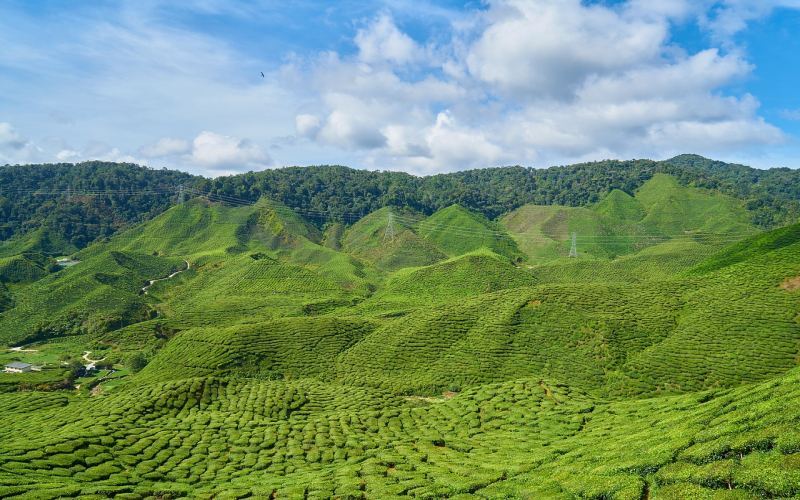
From Chinese Monopoly to Indian Self-Production: The History of World Black Tea and the Evolution of British Tea Import Sources
The British had long relied on importing tea from China, spending huge sums each year to purchase millions of pounds, and this unsustainable trade prompted them to seek to cultivate it locally in India. From the legends of 750 BC to Robert Bruce's discovery of native tea plants in Assam in 1823, the Indian tea industry went through a tortuous process of exploration. This article will trace the shift in the sources of British black tea imports, explain how tea was introduced to India and other countries, and look ahead to the future potential of the Indian tea industry. Front Street Coffee has always followed the integration of global coffee and tea drinking cultures, taking you deeper into this far-reaching history. [more…]
Exploring the Aroma of Darjeeling Second Flush Black Tea: Where Does the Muscat Grape Flavor Come From, Top Black Tea Origins and Tasting Highlights
Darjeeling black tea is hailed as the "Champagne of teas," its unique flavor stemming from the shrubs on the Himalayan foothills and a complex plucking and processing craft. Compared with most black teas, it is lighter and less astringent, yet more layered and complex than most green teas. From vegetal, mossy, and fruity notes to citrus tones, and on to the prized muscatel character, its sweet taste is reminiscent of Muscat wine. Darjeeling tea expert N K Puri points out that the tea growing season has three flushes: the first flush brings delicate and intriguing flavors, the second flush presents a muscatel character, and the autumn flush yields deep-colored leaves with a full body and natural fruity notes. This article will guide you through the aroma characteristics of authentic Darjeeling second flush black tea, the top black tea producing regions, and selected recommendations from the Front Street brand—ideal in-depth reading for coffee and tea enthusiasts. [more…]
Does Darjeeling tea belong to black tea or green tea? Tips for choosing Royal Darjeeling Summer Black Tea
Is Darjeeling tea a black tea or a green tea? This is a question many tea lovers often have. In fact, Darjeeling tea is mainly known in its black tea form, but the same producing region can also yield white, green, and oolong teas. Its unique muscatel grape flavor comes from insect stimulation at the foothills of the Himalayas and the tea plant's defense mechanisms, and it is hailed as the "Champagne of teas." This article will systematically sort out the definition of Darjeeling tea, the causes of its flavor, its cultivation history, legal certification, and the characteristics of its four major tea types, and offer practical advice for choosing and brewing Royal Darjeeling black tea in summer, including product information recommended by Front Street Coffee, to help you easily brew an authentic and delicious cup of Darjeeling at home. [more…]